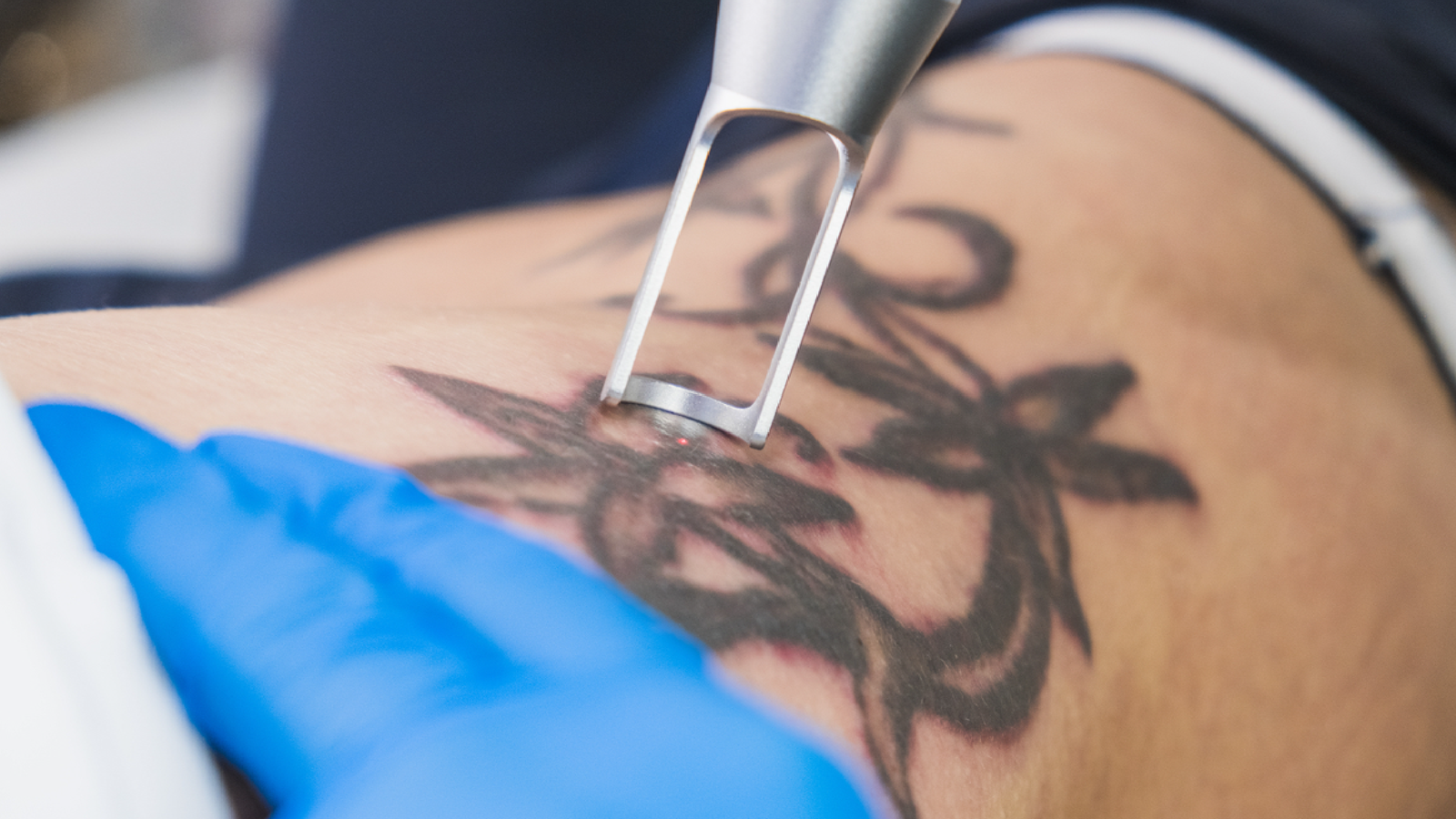
Getting a tattoo removed isn’t as simple as erasing a mistake with a pencil. Many people jump into the removal process without doing their homework, which can lead to disappointing results, wasted money, and unnecessary frustration. Understanding the common pitfalls before you start can save you time, discomfort, and help you achieve the clear skin you’re hoping for.
Whether you’re dealing with a regrettable impulse decision or making room for new ink, knowing what not to do is just as important as knowing the right steps to take. Let’s explore the most frequent mistakes people make when removing their tattoos.
Choosing Price Over Quality
One of the biggest mistakes is selecting a removal service based solely on cost. While budget matters, the cheapest option often means outdated technology, inexperienced technicians, or rushed treatments that deliver poor results.
Quality laser equipment makes a significant difference in how effectively ink breaks down and how your skin heals. Older lasers may require more sessions, cause more scarring, or fail to remove certain ink colors entirely. Investing in a reputable provider with modern technology typically means fewer sessions overall and better outcomes.
Expecting Immediate Results
Tattoo removal is a gradual process, not an overnight transformation. Many people become discouraged after their first session when they don’t see dramatic changes, but this expectation sets them up for disappointment.
The laser breaks down ink particles, which your immune system then gradually removes over weeks and months. Most tattoos require multiple sessions spaced several weeks apart to allow proper healing. Depending on the size, color, and depth of your tattoo, complete removal might take anywhere from six to twelve sessions or more.
Patience is essential. Rushing the process or scheduling sessions too close together can damage your skin and actually slow down the removal process.
Ignoring Aftercare Instructions
Proper aftercare between sessions is crucial for optimal results and preventing complications. Yet many people treat the removal site carelessly, thinking the hard part is over once they leave the clinic.
Following your technician’s aftercare guidelines helps your skin heal properly and allows your immune system to effectively clear away the fragmented ink. This typically includes keeping the area clean, avoiding sun exposure, staying hydrated, and not picking at any blistering or scabbing.
Neglecting aftercare can lead to infections, scarring, and poor removal results. Your skin needs time and proper care to recover between treatments.
Not Researching Their Provider
Choosing where to have your tattoo removed deserves serious consideration. Not all clinics are created equal, and the expertise of your technician directly impacts your results and safety.
San Diego’s leading tattoo removal clinic will have certified technicians, state-of-the-art laser technology, and a portfolio of successful removals. They should offer consultations where they assess your specific tattoo and provide realistic expectations about the removal process.
Before committing, read reviews, ask about their equipment, verify credentials, and don’t hesitate to ask questions. A reputable provider will be transparent about the process, potential risks, and expected outcomes.
Attempting DIY Removal Methods
The internet is full of home remedies and DIY removal techniques that promise to fade tattoos without professional help. These methods range from ineffective to downright dangerous.
Creams, salts, acids, and other home treatments can cause severe skin damage, burns, infections, and permanent scarring without actually removing the tattoo. Professional laser removal is the only proven safe and effective method for removing tattoos.
Saving money isn’t worth risking your health and potentially making the tattoo even harder to remove later. What seems like a budget-friendly shortcut often creates expensive problems that require medical intervention.
Underestimating Sun Exposure Impact
Sun exposure significantly affects both the removal process and your results. Many people don’t realize that tanned or sunburned skin cannot be safely treated with laser removal.
UV exposure before treatment increases the risk of burns and hyperpigmentation. After treatment, sun exposure can cause discoloration and interfere with healing. You’ll need to keep the treated area covered or protected with high-SPF sunscreen throughout your entire removal journey.
If you’re planning removal, factor in the seasons and your lifestyle. Those who spend lots of time outdoors may need to adjust their treatment schedule accordingly.
Conclusion
Tattoo removal is a significant commitment that requires research, patience, and proper care. By avoiding these common mistakes, you’ll set yourself up for the best possible results while minimizing risks and frustration. Take time to find a qualified provider, follow their guidance carefully, and maintain realistic expectations throughout the process. Your skin will thank you for making informed decisions rather than rushing into removal unprepared.