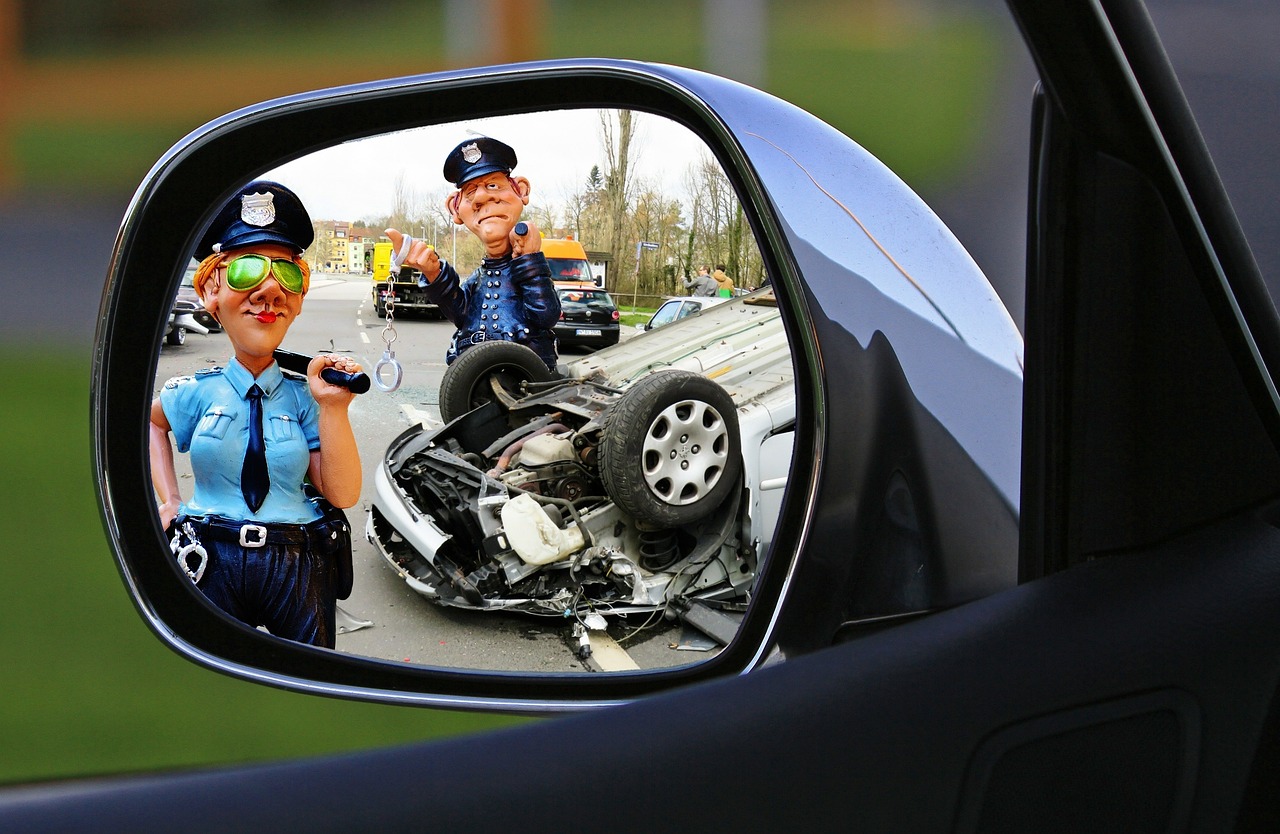
If you are involved in a car accident on a busy Richmond road, you are probably shaken up and not sure what to do next. You could have a wrecked car, injuries that hurt and costs that add up. Then comes the difficult part: determining who caused the crash. That job can be facilitated by a police report. It contains vital information on the crash, the people involved and what officers found when they arrived. This report may be used by insurance companies in the consideration of a claim. But a police report does not settle all questions of blame. Knowing what it contains, how to get a copy and its boundaries will help safeguard your claim.
What’s in a police report after a car crash?
When police respond to a crash, an officer may take facts and write a report. The report is a record of the incident and it enables others to see what happened. Depending on the crash and information received, a report may include:
- The time, date and location of the crash.
- Names and contact data of drivers and witnesses
- Vehicle & insurance details.
- Notes on road, traffic and weather conditions.
- Statements from drivers and witnesses to the crash.
- A schematic depicting vehicle trajectories or impact points.
- Details of evident damage, injuries reported.
- Any traffic tickets given at the site.
These details can allow an insurer to understand the crash. For example, a report may state that two cars collided at an intersection close to Broad Street. It can also mention a witness who said a driver ran a red light. That information provides the claim with a starting point. More documents may be needed to determine what happened.
Using a police report to help determine fault.
Fault matters because it can determine who will have to pay for medical care, lost earnings, automobile repairs and other losses. A police report can be helpful by creating a record of facts that support one driver’s story over the other’s.
It captures the scene
The final position of each car, road marks, broken glass, and vehicle damage could provide clues to explain a collision. An officer’s notes or graphic can help to preserve some of these facts. This is important if the scene changes soon after the crash happens. Cars are relocated, debris cleaned, traffic returns to normal. A written record can aid others in reviewing the scene afterward.
It has the driver and witness statement.
Drivers may remember things differently, especially after a terrifying incident. Witnesses can also give an independent account of what transpired. They may be included in a police report. If a witness testifies that one driver failed to give the right of way when making a turn, this fact could support a claim. The insurer may cross check the statement with other evidence before a judgment.
It could have recorded traffic offenses
A traffic ticket is a citation issued by an officer for a traffic crime, such as speeding or running a traffic signal. It can be useful in reviewing faults. A ticket is not a guarantee of who is to pay for any loss. The facts still matter and a ticket can be fought in court. The report is not the last word, it is a piece of evidence.
Does a police report determine who is at fault?
No. A police report can assist establish the facts, but it doesn’t always determine legal liability. An officer may show there after the crash and rely on what others there say. The report may contain gaps or mistakes. A motorist may not provide the whole story, and a witness may not have observed the whole thing. Insurance companies may consider other evidence before making a decision. Dash cam footage, pictures, traffic camera video, medical records and repair quotes can all be valuable supporting evidence. These records might confirm things or argue with what the report says. If the report is wrong, ask the agency that prepared it how to have it corrected. Kindly provide any evidence to support your request. Don’t edit the report yourself, or expect an officer to delete any contested statements.
How to Obtain a Richmond Car Accident Police Report
If police responded to your crash, ask which agency took the call. Depending on where the crash happened, and which cops were called out, the right agency could be different. You can try to order the report from the police department that responded to the collision, or through Virginia’s official crash-report system. The release criteria, process and costs can differ. Before filing a request collect the details that can assist in locating the record:
- Crash time and approximate date.
- Where the collision is located.
- Names of drivers participating.
- Report or incident number, if applicable.
- Your contact information and your part in the crash.
Retain a copy of the report with your other claim information. Read everything carefully and check names, dates, vehicle info and description of the crash. Looks wrong? Ask how to fix it.
What If the Police Report Doesn’t Support Your Side?
It can be discouraging to read a report that seems to favor the other driver. But that doesn’t mean you have to relinquish your claim. See the facts behind the report. Did the police speak to every witness? Was one important photo missing? Did anyone say something when wounded or confused? Such queries may suggest evidence that is worthy of further investigation. Save all pictures, videos, messages and witness information you have. Write what you remember but make sure the details are clear as crystal. Be truthful in what you say and don’t guess at any things you don’t know. The lawyer may be able to compare the report with other evidence. Other documents might be able to fill in the gaps if the report misses out essential details.
Why Evidence Cares About Virginia’s Rules of Fault
In Virginia, the general rule is a strict contributory negligence rule in most negligence actions. In simple language, an injured individual who is determined to be even partially at blame may be prevented from claiming damages, with some restricted exceptions. This regulation emphasizes how crucial accurate proof is in Richmond automobile accident situations. The other driver or insurance may say that you were speeding, did not keep a good watch, or committed some other mistake. A police report can assist clarify the facts, but it should not be your only proof. Witness reports, images, video and expert review could all provide answers as to how the crash occurred.
When Do I Need to Talk to a Richmond Car Accident Lawyer?
If you have been seriously injured, the other motorist is denying culpability, or the insurance company is disputing your losses, legal help may be helpful. These claims can include medical expenditures, lost income, future treatment, and ongoing agony. Price Benowitz Accident Accident Lawyers, LLP handles motor vehicle accident lawsuits including cars, trucks, motorcycles, bicycles, buses and pedestrians. The Richmond, Va.-based organization handles cases for individuals who have suffered significant injuries, such as burns and spinal cord injuries. A Richmond Car Accident Lawyer can look at the police record, collect other evidence, and explain your legal alternatives. A lawyer can also negotiate with the insurance and determine whether the report leaves out essential questions. Virginia has a two-year deadline for initiating a personal injury case, however exceptions to this rule may exist. Claims against governmental entities may be subject to extraordinary notice rules. Early legal guidance might help you preserve evidence and prevent missing deadlines.
Questions and Answers
1. Can a police report help determine culpability in a Richmond automobile accident?
Short answer: No. A police report can be helpful to your case but may not be sufficient in proving fault.
Detailed answer: This report is merely a record of the facts and statements obtained at the site. Insurers and courts may also look at images, testimony from witnesses, video and other evidence. Your assertion is stronger or weaker depending on the whole collection of facts.
2. Where do I receive a copy of my Richmond vehicle accident report?
Short answer: Ask the agency that handled the crash or use Virginia’s official crash-report system.
Detailed answer: 1. You might require the crash date, location, driver names, or report number. Some access rules and costs apply. Before you make your request, check the agency’s current instructions.
3. What if my police report is wrong?
Short answer: Contact the agency that produced the report and ask for the adjustment.
Detailed answer: Explain the error and attach supporting documents to your request. And keep a copy of your original report and any reply you receive. If a statement is disputed, you can’t just delete it because you disagree with it.
4. Am I able to file a claim if the police did not issue a ticket?
Short answer: Yes. No ticket is necessary for a claim of an injury.
Detailed answer: A claim may be made on the basis of other evidence of negligent driving such as witness accounts, photos or video. Not having a ticket doesn’t inevitably mean that neither driver was at fault.
5. How long do I have to file a Virginia car accident lawsuit?
Short answer: The usual statute of limitations for a personal injury case is 2 years from the date of injury.
Detailed answer: Some circumstances have different rules and you need to give earlier notice for claims against government agencies. Quickly go to a lawyer and find out what deadline applies to your case.