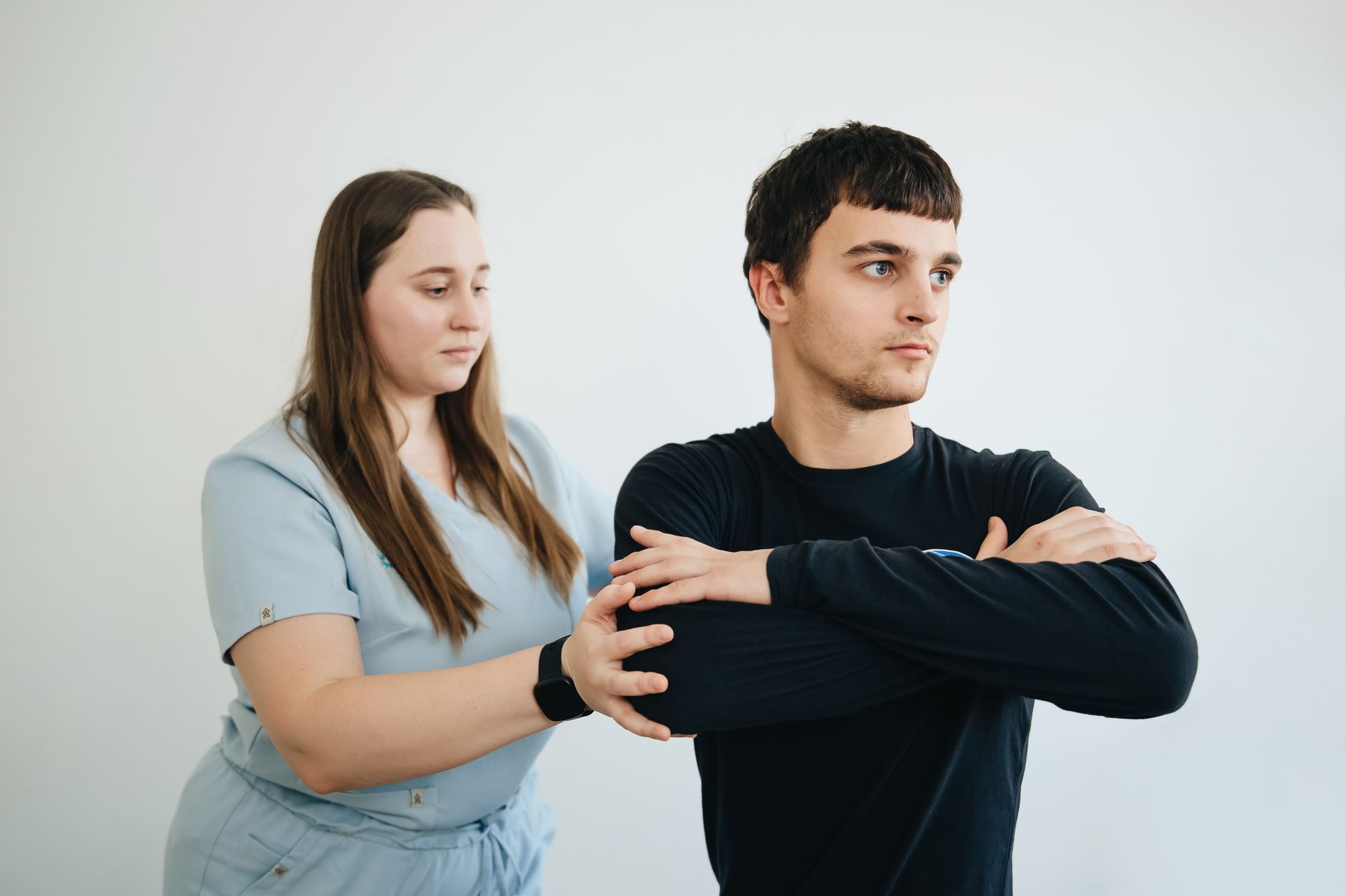
Rehabilitation works best when it’s consistent, but consistency is often the first thing to break down when appointments are inconvenient, transport is difficult, or mobility itself is limited by the very injury being treated. Brisbane residents increasingly have another option that removes much of that friction entirely.
Removing the Biggest Barrier to Consistent Care
Missed or rescheduled appointments are one of the most common reasons rehabilitation plans stall, and much of that comes down to the practical hassle of getting somewhere on time while dealing with pain, fatigue, or reduced mobility. Taking that barrier out of the equation tends to improve outcomes measurably.
What a Home Visit Actually Looks Like
Mobile physiotherapy sessions typically follow the same structure as a clinic appointment — assessment, hands-on treatment, and a tailored exercise plan — just delivered in a patient’s own home rather than requiring them to travel elsewhere. Most patients find the format familiar within their very first session.
Tailoring Treatment to a Patient’s Real Environment
Seeing exactly how a patient moves through their own home gives a therapist practical insight that’s difficult to replicate in a clinic setting. Adjustments to furniture placement, stair technique, or daily routines can be suggested on the spot, based on the actual environment a person navigates every day.
A Particularly Valuable Option After Surgery
Post-surgical patients often face the most difficulty attending clinic appointments, precisely during the period when consistent rehabilitation matters most. Having a qualified therapist come to them removes a major obstacle during what’s often the most physically demanding stretch of recovery.
Supporting Older Adults With Dignity
For older adults managing mobility challenges, the effort involved in getting to a clinic can sometimes discourage them from seeking care altogether. A home-based approach preserves independence and dignity while still ensuring access to professional treatment, without the added stress of arranging transport.
Coordinating Care With Family Involvement
When treatment happens at home, family members are often naturally present and can be shown exactly how to support a loved one’s recovery between sessions, creating a more informed support network than most people build after a handful of clinic visits alone.
Weighing the Practical Trade-Offs
As with any service, there are practical considerations, including scheduling availability and the specific equipment a therapist can bring compared to a fully equipped clinic. For most common rehabilitation needs, though, these trade-offs are minor compared to the benefits of consistent, convenient access to care.
Brisbane’s growing embrace of this model reflects a broader shift toward healthcare that meets people where they actually are, both literally and in terms of what fits realistically into their daily lives.
Taking the Next Step Toward Recovery
Anyone curious about whether this approach suits their situation can typically start with a simple conversation about their needs, making it easy to explore the option without committing to anything before understanding exactly what it would involve.
The Growing Range of Conditions Treated at Home
What began primarily as a service for post-surgical or mobility-limited patients has expanded to cover a much broader range of conditions, from sports injuries to chronic pain management, reflecting growing confidence in what can genuinely be achieved outside a traditional clinic setting.
How Families Support the Recovery Process
When treatment happens in the home, family members often naturally become part of the process, learning firsthand how to assist with exercises or mobility support between sessions in a way that’s harder to absorb from a brief clinic demonstration.
Addressing Scheduling Flexibility for Working Patients
Many patients balancing work commitments with ongoing rehabilitation appreciate the scheduling flexibility that comes with home-based care, often finding it easier to fit sessions around a demanding workday than to carve out time for travel to and from a clinic.
Building Confidence Through Consistent Progress
Patients who see steady, visible progress within their own familiar environment often report feeling more genuinely motivated to continue with their exercises between sessions, reinforcing a positive cycle that supports faster and more complete recovery overall.
Serving All Corners of a Growing City
As Brisbane continues to expand outward, having a provider willing to travel across the wider metropolitan area, rather than limiting service to a narrow central zone, ensures residents in newer or outer suburbs have the same access to quality rehabilitation as those closer to the city center.
Addressing Concerns Before They Become Barriers
Practitioners who take time upfront to understand a patient’s specific concerns, whether about cost, scheduling, or the treatment process itself, tend to build the kind of trust that keeps patients engaged and committed throughout what can otherwise feel like a long and uncertain recovery journey.
Making the Switch From a Traditional Clinic
Patients transitioning from a longstanding clinic-based routine sometimes hesitate simply out of familiarity, but most who make the switch find the adjustment far smoother than expected, quickly appreciating the convenience once they experience it directly rather than weighing it only in the abstract.