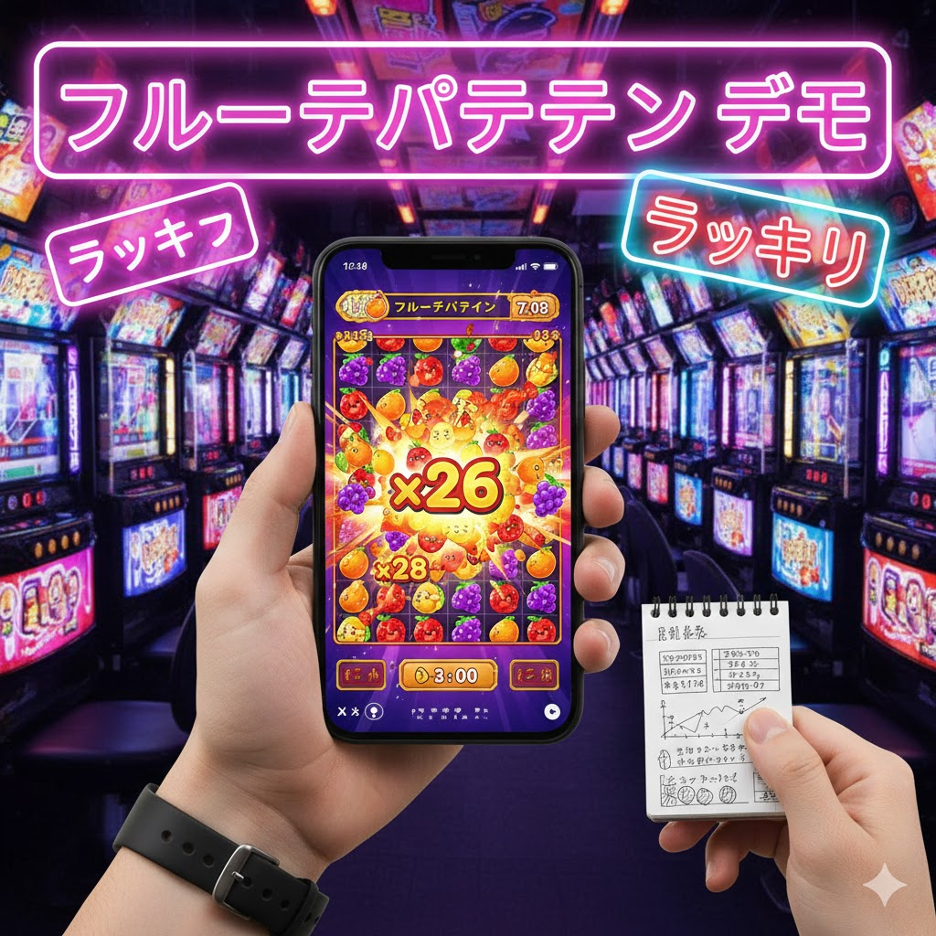
Man is a pattern-seeking animal. From the moment we wake up and choose the coffee to pour, our brain craves order, even when the entire world is random. This propensity is particularly interesting — and at times very expensive — when we attempt to explain accidents, such as the wavering of a roulette wheel or the turn of a computer slot machine. The insights into these cognitive peculiarities can shed a lot of light not only on gambling but also on the increased decision-making in the world of digital, dopamine-driven reality.
Rationalism and our Sense of Chance.
Unpredictability is by definition randomness. But we do not often act like that. Patterns, streaks, or meaning where there are none, that is what our minds insist on discovering. With a coin, most of us will likely get tails following a streak of heads. In cyberspace, this is carried over to screens and algorithms- all the nearly wins and blinking icons cause the same shortcuts to the mind.
Some of the crucial issues in this misperception are the cognitive bias, immediate satisfaction, and the need to feel in control. We have been programmed to reach quick judgments in a state of uncertainty, yet they backfire. It does not simply end up as a collection of quaint anecdotes; habitual misconceptions do have an impact on behaviour, of course, when they are enforced digitally time and time again, where variable rewards and behavioural patterns play along with bad reasoning.
Errors in Common Decision-Making.
In the case of random outcomes, three cognitive errors prevail:
Gambler’s Fallacy
The traditional fallacy is that historical occurrences have a determining effect on independent future events. A common example? Getting 5 red slot results in succession and believing that black is due. Digital gaming also includes platforms of SlotsGem España that manipulate this by displaying spins and outcomes in a way that leads players to extrapolate streaks, even though the underlying random number generators are reset after each spin.
Hot-Hand Fallacy
The dark side: thinking that a streak is going to be continued. I haven’t lost a round in three rounds, I’m on fire! This fallacy is not only successful in the physical game but also in the online interface, where graphics and immediate feedback can reinforce the illusion that streaks have significance.
Illusion of Control
The assumption that the outcome of a random event can be achieved through individual ability or ceremony. In both totally automated digital slot machines and live dealer games, players tend to imagine they are affecting the results, pressing buttons at the very opportune time or rubbing their charm products, believing that such moves are making a difference.
Table 1 – Decision errors that are common with random outcomes.
| Error Type | Description | Example in Digital Gambling |
| Gambler’s Fallacy | Expecting a “due” outcome after a streak | Misreading RNG streaks on SlotsGem España |
| Hot-Hand Fallacy | Believing a streak will continue | Overvaluing consecutive wins on online slots |
| Illusion of Control | Thinking actions can affect random results | Believing interaction with real live dealers affects the game |
Misjudgment has Neuroscientific Foundations.
Why do we succumb to such mistakes? There are some clues provided by neuroscience. Probability assessment is frequently a problem of the prefrontal cortex, which controls rational thinking. In the meantime, the dopamine loop is activated whenever we think that there is a reward, which strengthens risky behavior. Any minor victory or close call triggers a rush, which promotes repeated activity and eventually leads to decision fatigue.
Minor design aspects are also accessible to this neural circuitry, e.g., bright colors, motion, or countdowns. On the Internet, these indicators enhance the brain’s innate urge to detect patterns, bias risk perception, and pursue incentives that, in essence, lack predictability.
Perception Case Study: Digital Gambling
Random-outcome misinterpretation is especially glimpsed through the prism of digital space. Games such as SlotsGem España are part of a gamified, random platform that features streaks, near misses, and rewards that change. This interaction keeps the players interested and can subtly bias their anticipations of what will happen in the future.
Likewise, online games featuring real-life dealers add a human element, enhancing the illusion of control. The perception of being personally influenced arises from watching a dealer spin a roulette wheel or deal blackjack, even though the results are purely random. Due to the presence of both digital immediacy and human presence, the situation is a cognitive bias and behavioral reinforcement storm.
Table 2 – Decision Making Error in Digital and Live Dealer Environments.
| Platform Type | Typical Misinterpretation | Psychological Trigger |
| Digital Slots | Hot-hand illusion | Visual/audio near-win cues |
| SlotsGem España | Gambler’s fallacy | Misreading RNG streaks |
| Live Dealer Games | Illusion of control | Interaction with real live dealers |
On platforms, the mechanisms are astonishingly alike: instant gratification, random rewards, and the natural tendency to find patterns in the brain intersect, resulting in predictable yet absolutely human decision errors.
It emerges that we are much more interested in streak, luck, and control than might seem, and this article offers a glimpse into how our brains cope with uncertainty. Spin a virtual slot on SlotsGem España or watch a live dealer in action, and our human thought process of random results provides intriguing results on human cognition, online interaction, and behavioral economics.