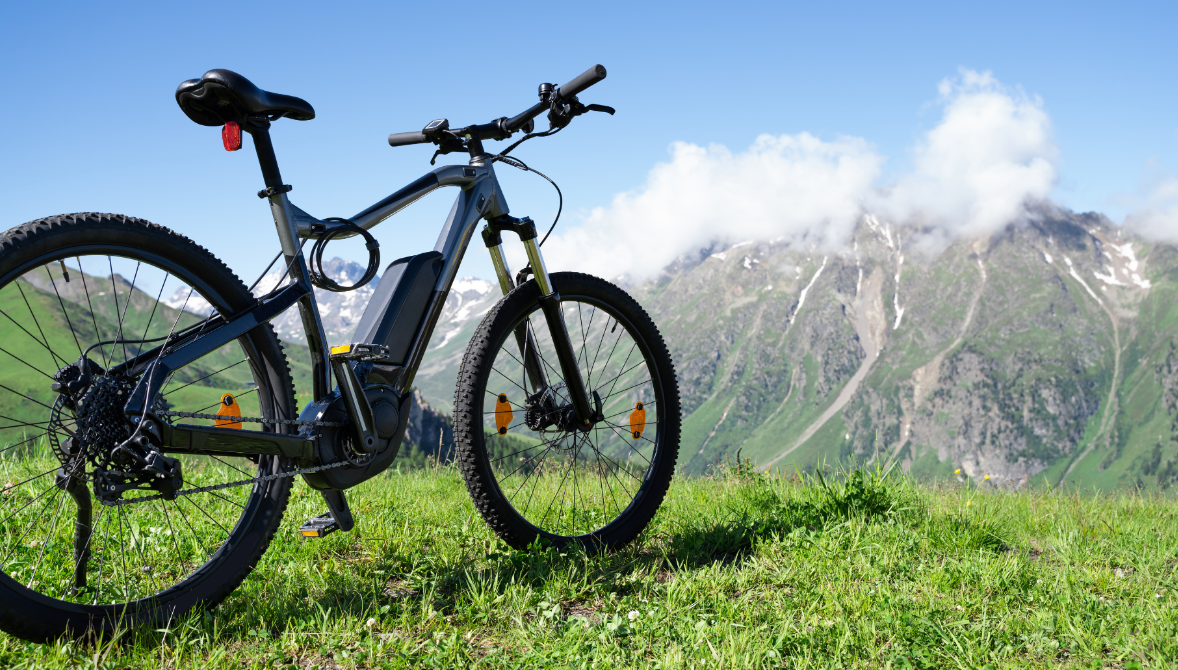
Something is happening out on the trails, and if you haven’t noticed it yet, you will soon. Riders, adventure travelers, and weekend explorers are quietly ditching gas-powered gear in favor of vehicles that are cleaner, calmer, and genuinely capable.
Electric mobility has outgrown city bike lanes. It’s now carving through backcountry routes, national parks, and rugged wilderness corridors across North America.
Whether your priority is reducing emissions, cutting long-term costs, or just having a better time outside, this shift deserves your attention.
Shifting Gears: How Electric Mobility Is Shaping New Outdoor Transportation Trends
Few sectors have benefited from the electric revolution more visibly than outdoor adventure, and the numbers make that unmistakably clear.
The Rise of Fat Ebikes in Canada and Beyond
Canada is almost purpose-built for testing rugged electric vehicles. Rocky Mountain trails in British Columbia. Icy backroads cutting through Ontario. Coastal paths battered by wind and rain. Whatever the terrain, Canadian riders need equipment that simply refuses to quit.
That’s exactly why demand has surged. Riders looking for fat ebike canada options are finding that platforms like StreetRides.ca have responded with purpose-built, all-terrain fat tire models engineered for Canadian winters, gravel paths, and unpredictable outdoor landscapes.
Wide stabilizing tires, long-range batteries, and intuitive designs, these bikes appeal equally to seasoned trail veterans and complete newcomers stepping outside for the first time.
The market data backs this up decisively. The Canada e-bike market is estimated at $33.76 million USD in 2024 and is projected to reach $86.27 million USD by 2029, growing at a CAGR of 20.64%. Growth at that pace doesn’t emerge from hype. It reflects genuine demand from real people who want better ways to explore the outdoors.
Expansion of Electric Options Beyond Bicycles
Fat bikes are impressive, but they’re only one piece of a much larger picture. A bold new generation of electric ATVs, off-road trucks, and personal watercraft is rapidly expanding what outdoor exploration even means.
E-mobility solutions now span silent electric watercraft for lake expeditions, off-road electric ATVs built for technical trail systems, and compact scooters suited for park access and resort transfers. Eco-tourism operators have taken notice too, integrating these vehicles into wildlife tours and nature experiences that prioritize access without disturbing sensitive habitats.
With outdoor transportation trends pushing hard toward sustainability, adventurers now have more options than ever and far fewer trade-offs.
Benefits of Electric Vehicles for Sustainable Outdoor Transportation
Understanding what’s trending is useful. Understanding why it’s trending is where the real value lies.
Why the Environmental Case Is Compelling
Reduced carbon emissions are the obvious headline. But dig a little deeper, and the benefits compound. Sustainable transportation in outdoor settings also means drastically lower noise pollution, and that matters more than most people realize. Quieter vehicles reduce disruption to bird habitats, sensitive ecosystems, and hiking corridors where wildlife and humans need to coexist.
Electric vehicles also carry significantly lower maintenance burdens than gas-powered alternatives. No oil changes. Fewer mechanical components. Longer operational lifespans. Over time, ownership becomes simpler and considerably cheaper, two things every outdoor enthusiast can appreciate.
Enhancing the Outdoor Experience for Travelers and Adventurers
Here’s the part that tends to surprise people. Beyond environmental wins, electric mobility is actively dismantling long-standing barriers to outdoor participation, opening trails, mountains, and waterways to people who previously felt excluded.
A survey from Retrospec found that 62% of respondents feel comfortable using electric-assist devices like e-bikes for outdoor activities, and 37% said the extra boost might motivate them to get outside more frequently. Seniors. Families with young kids. Differently-abled individuals. These are people reclaiming experiences that once felt permanently out of reach.
Adventure companies across North America have reported stronger bookings after transitioning their fleets to electric options, with eco-conscious customers consistently cited as a primary driver.
E-Mobility Solutions Driving Future Outdoor Transportation Trends
Today’s electric vehicles already deliver remarkable results. What’s coming next pushes things considerably further.
Infrastructure Growth Powering Outdoor E-Mobility Adoption
Charging networks are expanding into national parks, campgrounds, and remote trailheads at a pace that would have seemed unrealistic five years ago. Federal and provincial government incentives are actively supporting this infrastructure buildout, lowering the entry barrier for communities and businesses investing in e-mobility solutions.
Community-driven micro-mobility hubs are emerging near popular trailheads, shared rental stations that give casual visitors access to electric gear without ownership commitments. Solar-powered charging stations and swappable battery programs are already being piloted across several Canadian provinces. The foundation is being laid, systematically.
Key Strategies for Choosing the Right Electric Mobility Option
With the landscape clearer, the practical question becomes straightforward: how do you choose the right option for your specific adventures?
Terrain compatibility, battery range, weatherproofing, and safety ratings all factor into that decision. A rider navigating snowy backcountry trails needs something fundamentally different from a greenway commuter. For outdoor settings specifically, prioritize models with moisture resistance and temperature-rated performance. Responsible use matters too stay on designated trails, charge from renewable sources where accessible, and follow local regulations for electric vehicles in protected areas.
Common Questions About Electric Mobility and Outdoor Transportation
Are EVs declining in popularity?
Not meaningfully. Electric vehicles accounted for 7.8% of new U.S. car sales in 2025, nearly matching 2024’s 8.1% share. Sales peaked above 10% in Q3 before a Q4 dip in strong momentum, though not without fluctuation, according to Kelley Blue Book estimates.
What is the future of electric mobility?
Promising. Electric mobility will see average ranges exceeding 600–800 km, charging speeds approaching conventional refueling, and flexible ownership models, subscriptions, and leasing becoming mainstream across vehicle categories.
Can electric outdoor vehicles handle extreme weather?
Most modern fat tire e-bikes and electric ATVs are specifically engineered for harsh conditions. Many Canadian-market models handle snow, mud, and sub-zero temperatures reliably, though battery range can decrease slightly in extreme cold worth factoring into any serious trip planning.
Embracing the Electric Future for a Greener Outdoor Adventure
Electric mobility isn’t waiting for permission; it’s already reshaping how people explore the natural world. From fat tire e-bikes built for Canadian winters to silent electric watercraft gliding through protected lakes, outdoor transportation trends are moving unmistakably toward cleaner, quieter, and more inclusive options. With iptv subscription canada ,Advancing battery technology, growing infrastructure, and real environmental benefits make this the right moment to seriously consider what sustainable transportation looks like for your next adventure. The trails are ready. The question is whether you are.