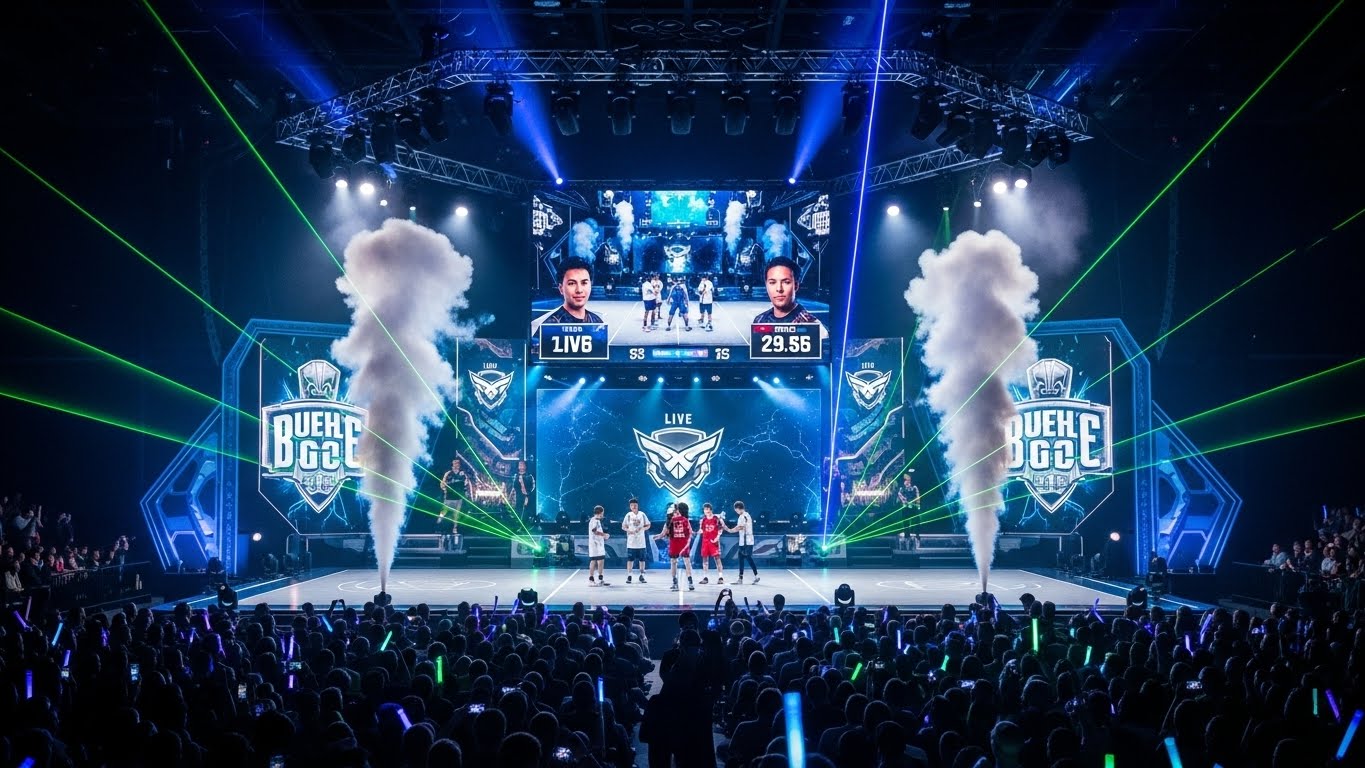
scbet88 login, short for electronic sports, has transformed from a niche hobby into a global industry worth billions. What once began as friendly competitions among gamers has now evolved into a professional arena where players compete in front of millions of viewers, both online and in packed stadiums. With rapid technological advancement, widespread internet access, and a growing gaming culture, esports has become one of the fastest-growing entertainment sectors in the world.
What Is Esports?
Esports refers to organized, competitive video gaming where individuals or teams compete against each other in popular titles such as League of Legends, Dota 2, Counter-Strike 2, and Fortnite. These competitions are often structured like traditional sports leagues, complete with teams, coaches, analysts, and massive fan bases.
Unlike casual gaming, esports requires high levels of skill, strategy, teamwork, and dedication. Players train for hours daily, refining their reflexes, communication, and decision-making abilities.
The Evolution of Esports
The journey of esports began in the early 1970s with simple competitions in arcade games. However, it wasn’t until the 2000s—when high-speed internet became more accessible—that online multiplayer games started gaining traction.
The real turning point came with streaming platforms like Twitch and YouTube Gaming, which allowed fans to watch live matches and follow their favorite players. This accessibility helped esports grow into a mainstream form of entertainment.
Today, major tournaments attract millions of viewers globally, rivaling traditional sports events in popularity.
Popular Esports Titles
Several games dominate the esports landscape, each offering unique gameplay and competitive structures:
Multiplayer Online Battle Arena (MOBA)
Games like League of Legends and Dota 2 focus on team-based strategy, where coordination and tactics are crucial.
First-Person Shooters (FPS)
Titles such as Counter-Strike 2 and Call of Duty emphasize precision, reflexes, and map control.
Battle Royale
Games like Fortnite and PUBG: Battlegrounds bring survival elements into competitive play, where players fight to be the last one standing.
Sports Simulations
Esports also includes sports-based games such as FIFA and NBA 2K, attracting fans of traditional sports.
The Structure of Esports Competitions
Professional esports tournaments are highly organized and structured. Major events like The International and League of Legends World Championship offer prize pools worth millions of dollars.
These competitions usually follow a seasonal format:
- Qualifiers: Teams compete to secure a spot in major tournaments
- Group Stages: Teams are divided into groups and play round-robin matches
- Playoffs: Top teams advance to knockout rounds
- Finals: The best teams compete for the championship title
This structured approach ensures fairness and maintains excitement for both players and fans.
The Role of Technology in Esports
Technology plays a crucial role in the growth of esports. High-performance gaming PCs, fast internet connections, and advanced streaming tools have made competitive gaming more accessible and engaging.
Cloud gaming, virtual reality (VR), and artificial intelligence are also shaping the future of esports. These technologies are expected to enhance gameplay experiences, improve training methods, and create new forms of competition.
Esports as a Career
Esports is no longer just a hobby—it’s a viable career path. Opportunities in the industry include:
- Professional players
- Streamers and content creators
- Coaches and analysts
- Event organizers
- Commentators (casters)
- Game developers
Top players can earn significant income through tournament winnings, sponsorships, and streaming revenue. Platforms like Twitch and YouTube allow gamers to build personal brands and connect with global audiences.
The Business of Esports
Esports has become a lucrative industry, attracting investments from major brands and organizations. Companies sponsor teams, tournaments, and players to reach the massive gaming audience.
Revenue streams in esports include:
- Sponsorships and advertising
- Media rights and broadcasting deals
- Merchandise sales
- Ticket sales for live events
- In-game purchases and partnerships
Organizations such as FaZe Clan and Team Liquid have built global brands, further legitimizing esports as a professional industry.
The Global Impact of Esports
Esports has a significant cultural and social impact worldwide. Countries like South Korea, China, and the United States have established strong esports ecosystems, with government support and dedicated infrastructure.
Educational institutions are also embracing esports, offering scholarships and degree programs related to gaming and digital media.
Moreover, esports fosters international connections, bringing together players and fans from diverse backgrounds. It promotes teamwork, communication, and strategic thinking—skills valuable beyond gaming.
Challenges Facing Esports
Despite its growth, esports faces several challenges:
- Player burnout due to intense training schedules
- Lack of standardized regulations across regions
- Concerns about gaming addiction
- Limited career longevity for players
Addressing these issues is essential for the sustainable growth of the industry.
The Future of Esports
The future of esports looks incredibly promising. With advancements in technology and increasing global interest, the industry is expected to continue expanding.
Key trends shaping the future include:
- Integration of VR and AR technologies
- Growth of mobile esports
- Increased mainstream media coverage
- Expansion into new markets
Esports may soon become as widely recognized as traditional sports, with even greater opportunities for players, fans, and businesses.
Conclusion
https://scbet88.it.com/ has come a long way from its humble beginnings to become a global powerhouse in entertainment. It combines technology, competition, and community in a way that resonates with modern audiences.
As the industry continues to evolve, esports will not only redefine how we view gaming but also how we engage with sports and digital entertainment. Whether you’re a player, a fan, or an aspiring professional, esports offers endless opportunities to be part of a dynamic and exciting world.